

How to Make a Budget and Stick to It
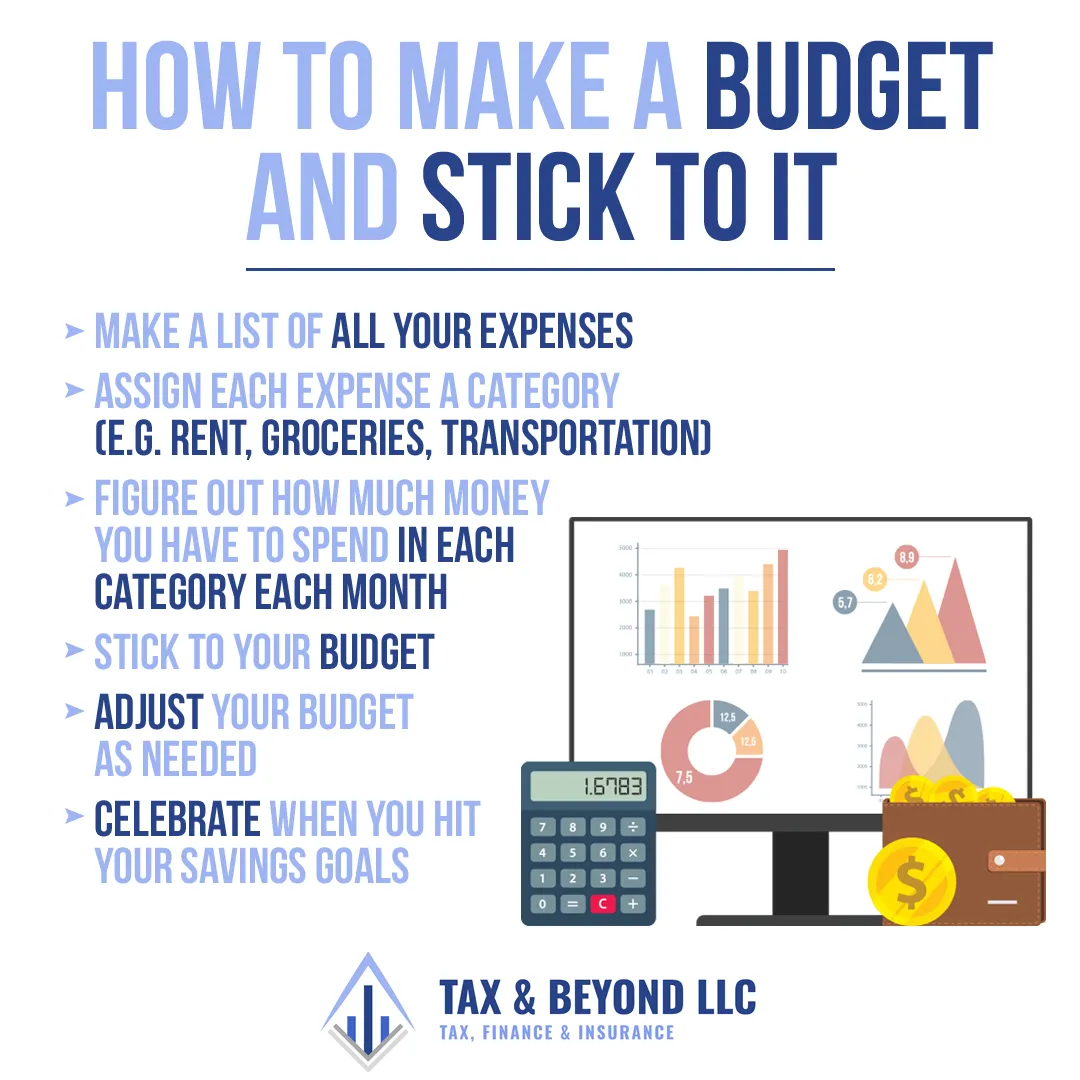
Creating a budget is an essential part of financial management for individuals and businesses alike. A budget is a plan that outlines your income and expenses over a specific period, typically a month or a year. Here are some steps you can take to create a budget and stick to it:
- Determine Your Income: Start by calculating your total income for the period you want to budget. This includes your salary or wages, investment income, and any other sources of income.
- List Your Expenses: Make a list of all your regular monthly expenses, such as rent or mortgage payments, utilities, groceries, transportation, and entertainment. Be sure to include any irregular expenses, such as car repairs or medical expenses, that may occur during the budget period.
- Categorize Your Expenses: Once you have listed your expenses, categorize them into essential and non-essential categories. Essential expenses are those that you cannot live without, such as rent, food, and utilities. Non-essential expenses are those that you can live without or reduce, such as entertainment and dining out.
- Set Spending Limits: Based on your income and expenses, set spending limits for each category of expense. Be sure to prioritize your essential expenses and allocate your remaining funds to non-essential expenses.
- Track Your Spending: Track your actual spending during the budget period to ensure that you are sticking to your spending limits. Use a budgeting app or spreadsheet to track your expenses and adjust your budget as needed.
- Review Your Budget: At the end of the budget period, review your budget and assess your performance. Identify areas where you overspent or underspent and adjust your budget for the next period accordingly.
To stick to your budget, you need to be disciplined and committed to your financial goals. Here are some tips to help you stay on track:
- Avoid Impulse Purchases: Stick to your spending limits and avoid impulse purchases that are not part of your budget.
- Use Cash: Use cash instead of credit cards for non-essential expenses to help you stay within your spending limits.
- Plan Ahead: Plan your purchases in advance and shop around for the best deals to stretch your budget further.
- Stay Motivated: Keep your financial goals in mind and stay motivated to stick to your budget.
By creating a budget and sticking to it, you can achieve your financial goals and manage your finances more effectively. By tracking your spending, avoiding impulse purchases, using cash, planning ahead, and staying motivated, you can make budgeting a habit and achieve financial success.
🏷️Related Topics
Need Help with Your Taxes?
Our expert tax preparers are here to help you navigate tax season successfully. Get professional assistance and maximize your refund. Contact us today for a consultation.