

Accounting Tips for Startups
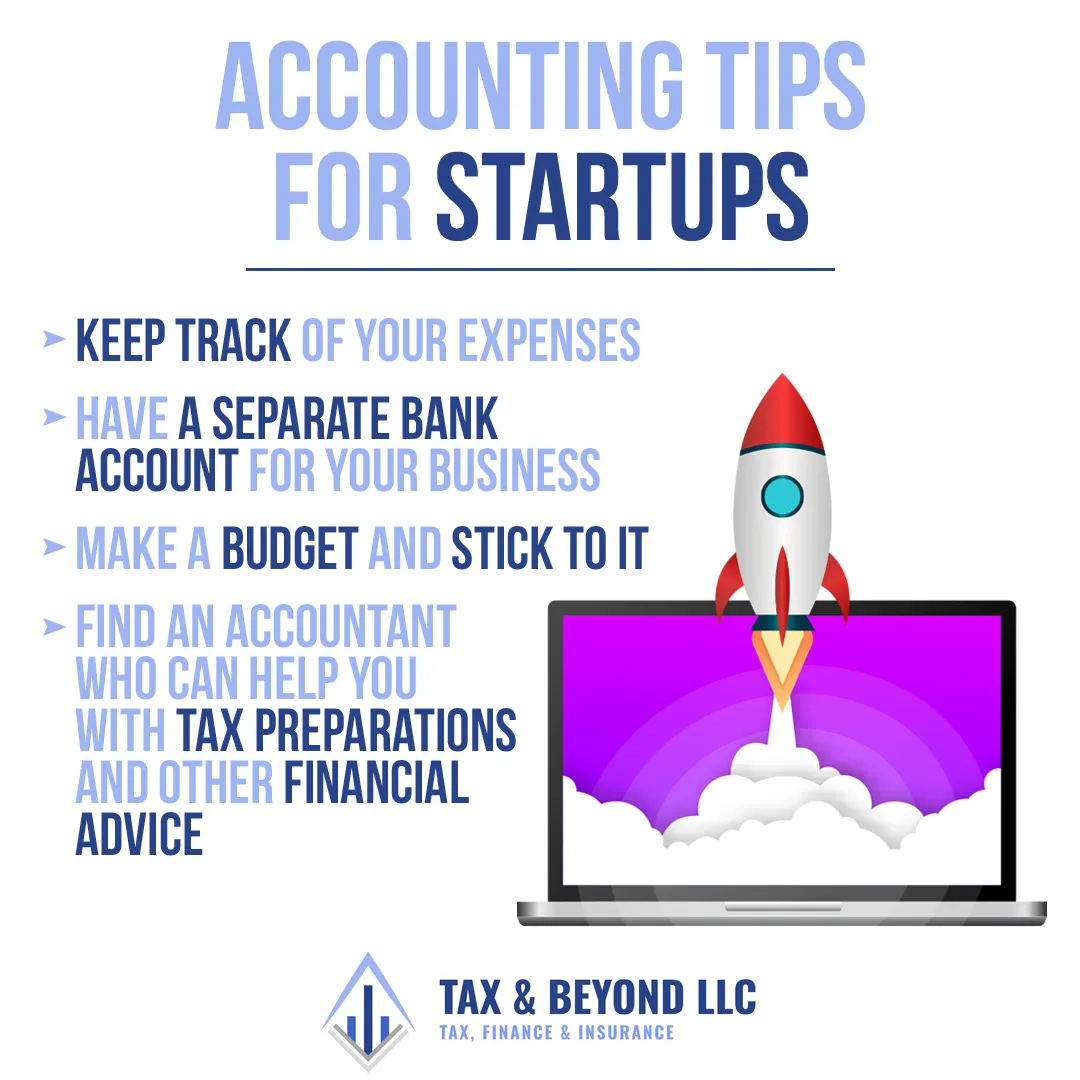
If you are starting a new business, managing your accounting can be a crucial factor in the success of your startup. Accounting provides you with insight into your business's financial health and enables you to make informed decisions about your finances. In this blog post, I will provide you with accounting tips for startups to help you manage your finances effectively.
- Set Up Your Accounting System Early It is essential to set up your accounting system early. This means deciding on the right accounting software and creating a chart of accounts that reflects your business's needs. By setting up your accounting system early, you can ensure that you have accurate records from the start and avoid scrambling to catch up later.
- Separate Business and Personal Finances It is crucial to keep your business and personal finances separate. This means having separate bank accounts, credit cards, and accounting records. Mixing personal and business finances can lead to confusion and make it difficult to track your business's financial health. Additionally, separating your finances can help protect your personal assets if your business is sued or goes bankrupt.
- Create a Budget and Stick to It Creating a budget is an essential aspect of managing your startup's finances. A budget helps you plan for the future and ensures that you have enough money to cover your expenses. It also helps you identify areas where you can save money and allocate resources effectively.
- Understand Your Cash Flow Cash flow is the amount of money coming in and going out of your business. Understanding your cash flow is crucial to managing your startup's finances effectively. You need to know when money is coming in and going out to ensure you have enough money to pay your bills and other expenses. Creating a cash flow statement can help you visualize your cash flow and make better-informed decisions.
- Stay Up-to-Date on Tax Laws and Regulations As a startup, you are responsible for complying with tax laws and regulations. This includes filing your taxes accurately and on time, collecting and remitting sales tax, and keeping records for the required number of years. Staying up-to-date on tax laws and regulations can help you avoid penalties and fines and ensure your business remains in good standing.
- Plan for Growth As your startup grows, your accounting needs will change. Plan for growth by selecting accounting software that can grow with your business and creating a chart of accounts that can accommodate new products or services. Additionally, consider hiring a professional accountant or bookkeeper to help you manage your growing accounting needs.
In conclusion, managing your startup's accounting can be a challenge, but by following these accounting tips, you can make the process more manageable. Remember to set up your accounting system early, separate your business and personal finances, create a budget and stick to it, understand your cash flow, stay up-to-date on tax laws and regulations, and plan for growth. By doing so, you can ensure your startup's financial health and success.
🏷️Related Topics
Need Help with Your Taxes?
Our expert tax preparers are here to help you navigate tax season successfully. Get professional assistance and maximize your refund. Contact us today for a consultation.